Welder Jobs in South Africa: Opportunities, Requirements, and Career Growth
Welding is a critical trade in South Africa, supporting industries such as construction, mining, manufacturing, and infrastructure development. As the country continues to grow and modernize, the demand for skilled welders remains high. If you're considering a career in welding or looking for welder jobs in South Africa, this guide will provide you with essential information on opportunities, qualifications, and how to succeed in this field.
What Do Welders Do?
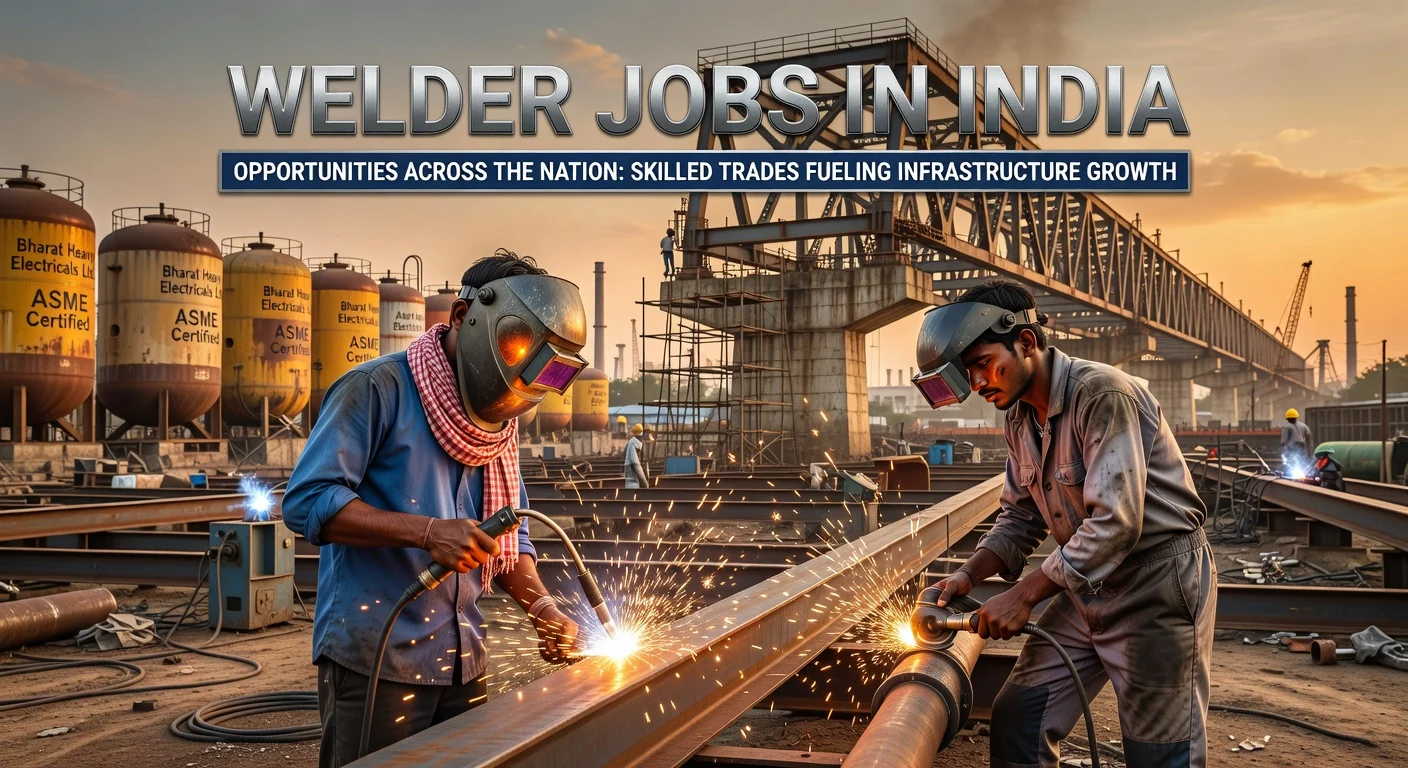
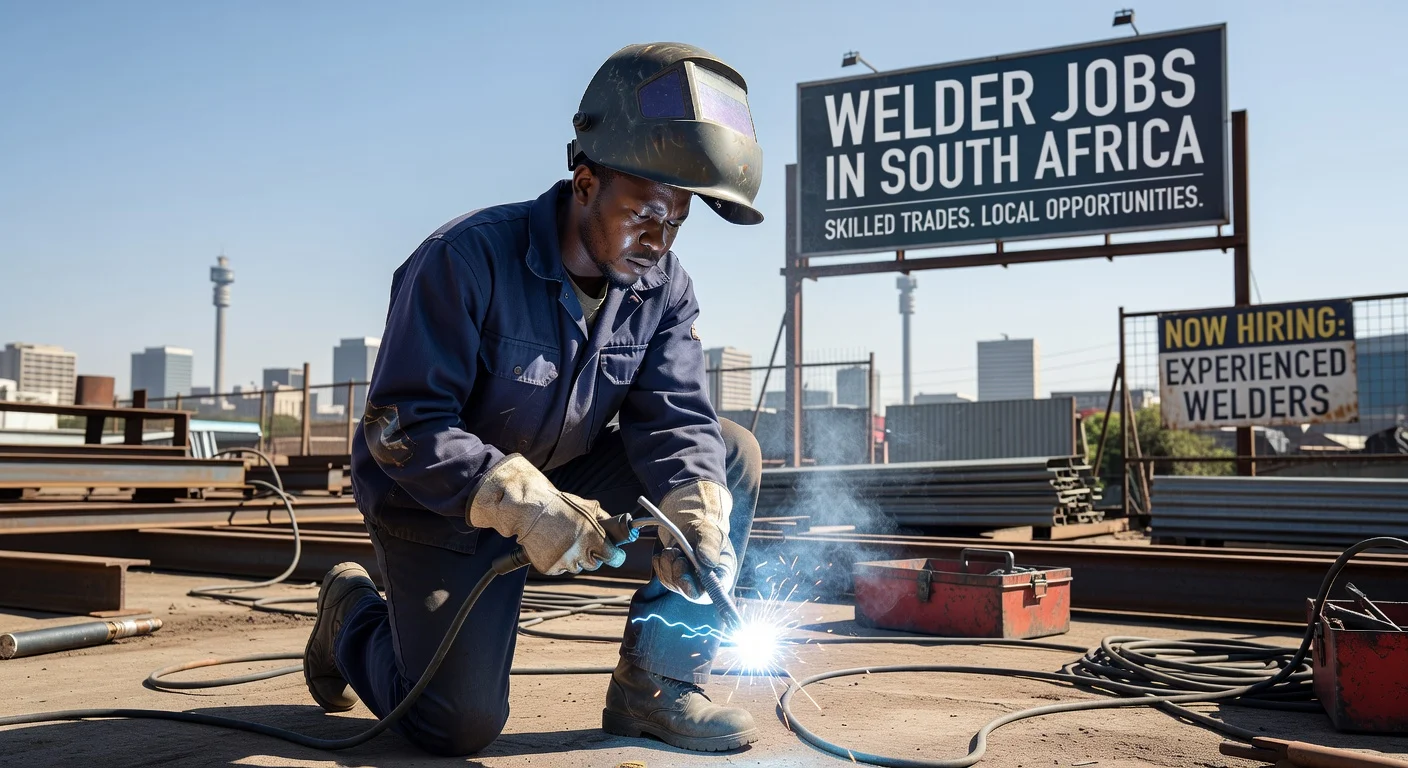
Welders are professionals who join metal parts together using heat and specialized equipment. They work on a variety of projects, from building bridges and pipelines to repairing machinery and vehicles. In South Africa, welders are often employed in industries that form the backbone of the economy, including mining, automotive, and construction. Their tasks may include reading blueprints, selecting appropriate materials, and ensuring the structural integrity of their work.
Types of Welder Jobs in South Africa
There are several specializations within the welding profession, each offering unique opportunities. Some of the most common types of welder jobs in South Africa include:
- Structural Welders: Focus on constructing buildings, bridges, and other large infrastructure projects.
- Pipe Welders: Specialize in joining pipes for water, gas, and oil systems, often in mining or energy sectors.
- Underwater Welders: Work on underwater structures like pipelines and ships, a niche but high-paying role.
- Automotive Welders: Repair and fabricate vehicle parts in the automotive industry.
- Boilermaker Welders: Combine welding with metal fabrication, often working in heavy industries like mining.
Skills and Qualifications for Welder Jobs
To secure a welder job in South Africa, you need a combination of technical skills, certifications, and practical experience. Here are the key requirements:
- Technical Training: Most welders start with a vocational course or apprenticeship at a Technical and Vocational Education and Training (TVET) college. Programs typically cover welding techniques, safety protocols, and blueprint reading.
- Certifications: Employers often require certifications such as those from the South African Welding Institute (SAIW) or international bodies like the American Welding Society (AWS).
- Physical Fitness: Welding can be physically demanding, requiring strength, stamina, and good hand-eye coordination.
- Safety Knowledge: Understanding workplace safety, including the use of protective gear, is essential to prevent injuries.
Where to Find Welder Jobs in South Africa
South Africa offers numerous opportunities for welders, especially in industrial hubs like Johannesburg, Cape Town, and Durban. Here are some ways to find welder jobs:
- Online Job Portals: Websites like Indeed, CareerJunction, and PNet regularly list welding vacancies across the country.
- Recruitment Agencies: Specialized agencies can connect you with employers in mining, construction, and manufacturing.
- Networking: Joining professional groups or attending industry events can help you learn about unadvertised positions.
- Apprenticeships: Many companies offer on-the-job training programs for entry-level welders, providing a pathway to full-time employment.
Salary Expectations for Welders in South Africa
The salary for welders in South Africa varies based on experience, specialization, and location. Entry-level welders can expect to earn between R8,000 and R12,000 per month, while experienced welders or those in high-demand roles like underwater welding can earn upwards of R25,000 per month. Additionally, overtime and working in remote areas, such as mining sites, can significantly boost income.
Career Growth and Future Prospects
Welding offers a stable and rewarding career path in South Africa. With experience, welders can advance to supervisory roles, become welding inspectors, or start their own businesses. The ongoing development of infrastructure projects, such as roads, railways, and renewable energy plants, ensures a consistent demand for skilled welders. Furthermore, learning advanced techniques like robotic welding can open doors to modern, high-tech opportunities.
Challenges in the Welding Industry
While welding is a promising career, it comes with challenges. Welders often work in harsh conditions, including extreme heat, confined spaces, or at heights. The job also carries risks of injury if safety protocols are not followed. However, with proper training and adherence to safety standards, these risks can be minimized.
Conclusion
Welder jobs in South Africa present a wealth of opportunities for skilled individuals. Whether you're just starting out or looking to advance your career, the welding industry offers competitive salaries, job security, and the chance to contribute to the nation's growth. By obtaining the right qualifications, gaining experience, and staying updated on industry trends, you can build a successful career as a welder in South Africa.