Electrician Jobs in South Africa: Opportunities and Insights
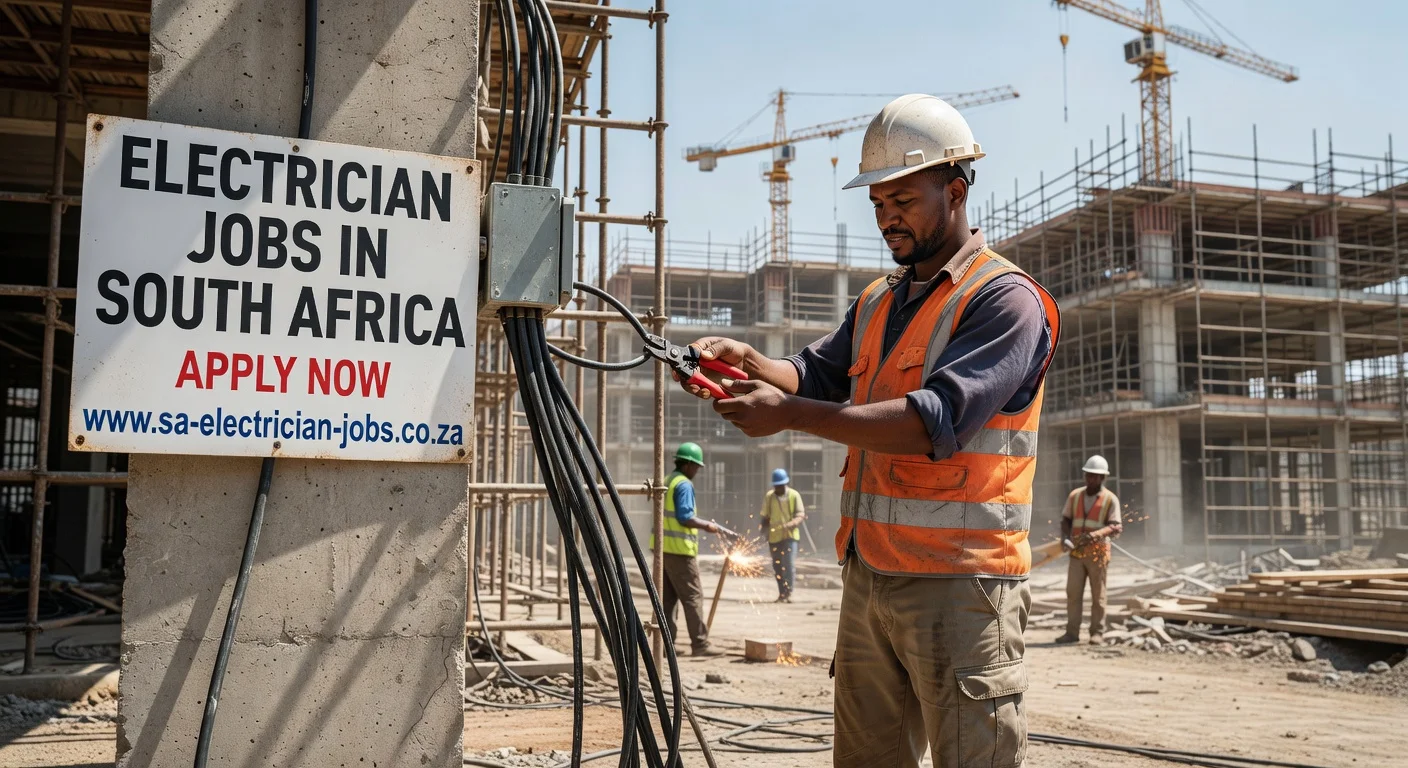
The demand for skilled electricians in South Africa is on the rise, driven by rapid urbanization, infrastructure development, and the growing need for renewable energy solutions. Whether you're an experienced electrician or looking to enter the field, this guide explores the landscape of electrician jobs in South Africa, including opportunities, requirements, and tips for success.
Why Electrician Jobs Are in Demand in South Africa
South Africa’s economy is heavily reliant on industries such as construction, mining, manufacturing, and energy. These sectors require skilled electricians to install, maintain, and repair electrical systems. Additionally, the country’s push towards sustainable energy, including solar and wind power, has created new opportunities for electricians with specialized skills.
Load shedding and power supply challenges have also highlighted the need for reliable electrical infrastructure, further increasing the demand for qualified professionals. From residential wiring to complex industrial systems, electricians play a critical role in keeping South Africa powered.
Types of Electrician Jobs Available in South Africa
Electrician roles in South Africa vary depending on specialization, experience, and industry. Here are some of the most common job types:
- Residential Electricians: Focus on wiring and electrical systems in homes and small buildings, handling installations, repairs, and maintenance.
- Commercial Electricians: Work on larger projects such as office buildings, retail spaces, and schools, dealing with complex electrical systems.
- Industrial Electricians: Employed in factories, mines, and manufacturing plants to maintain heavy machinery and industrial equipment.
- Renewable Energy Electricians: Specialize in installing and maintaining solar panels, wind turbines, and other green energy systems.
- Maintenance Electricians: Focus on troubleshooting and repairing electrical systems to prevent downtime in various settings.
Qualifications and Requirements for Electrician Jobs
To work as an electrician in South Africa, certain qualifications and certifications are necessary. Here’s what you need to get started:
- Education: A minimum of a Grade 9 certificate is often required, though a Matric certificate with Mathematics and Physical Science is preferred for formal training programs.
- Trade Test: Aspiring electricians must complete an apprenticeship and pass a trade test to become qualified artisans.
- Registration: Electricians need to register with the Electrical Contracting Board of South Africa (ECBSA) to work legally.
- Skills: Problem-solving, attention to detail, and a strong understanding of safety protocols are essential for this role.
Additionally, some employers may require a valid driver’s license and the ability to work at heights or in confined spaces.
Where to Find Electrician Jobs in South Africa
There are several platforms and resources to help job seekers find electrician positions across the country:
- Online Job Portals: Websites like Indeed, CareerJunction, and PNet regularly list electrician vacancies in various industries.
- Recruitment Agencies: Specialized agencies can connect candidates with employers in construction, mining, and energy sectors.
- Networking: Joining professional groups or attending industry events can lead to job opportunities through word-of-mouth referrals.
- Local Companies: Many electricians find work by directly applying to construction firms, mining companies, or electrical contractors.
Salary Expectations for Electricians in South Africa
The salary of an electrician in South Africa varies based on experience, location, and specialization. On average, entry-level electricians earn between R10,000 and R15,000 per month, while experienced professionals can earn upwards of R25,000 to R35,000 monthly. Those working in high-demand industries like mining or renewable energy may command even higher wages.
Freelance or self-employed electricians often have the potential to earn more by taking on multiple projects, though this comes with the added responsibility of managing business costs and finding consistent work.
Challenges and Rewards of Being an Electrician in South Africa
Working as an electrician comes with its share of challenges, including long hours, physically demanding tasks, and exposure to hazardous environments. However, the rewards are significant. Electricians enjoy job security due to the constant demand for their skills, opportunities for career advancement, and the satisfaction of solving complex electrical problems.
Tips for Landing an Electrician Job in South Africa
If you’re looking to secure a position as an electrician, consider the following tips:
- Upskill: Stay updated with the latest technologies, such as smart home systems or renewable energy solutions, to stand out to employers.
- Build Experience: Start with apprenticeships or entry-level roles to gain hands-on experience.
- Network: Connect with other professionals in the industry to learn about job openings and trends.
- Safety First: Emphasize your commitment to safety standards, as this is a top priority for employers.
Conclusion
Electrician jobs in South Africa offer a promising career path for those with the right skills and qualifications. With diverse opportunities across residential, commercial, and industrial sectors, as well as the growing renewable energy field, now is an excellent time to pursue a career as an electrician. By meeting the necessary requirements and staying proactive in your job search, you can build a rewarding career in this essential trade.