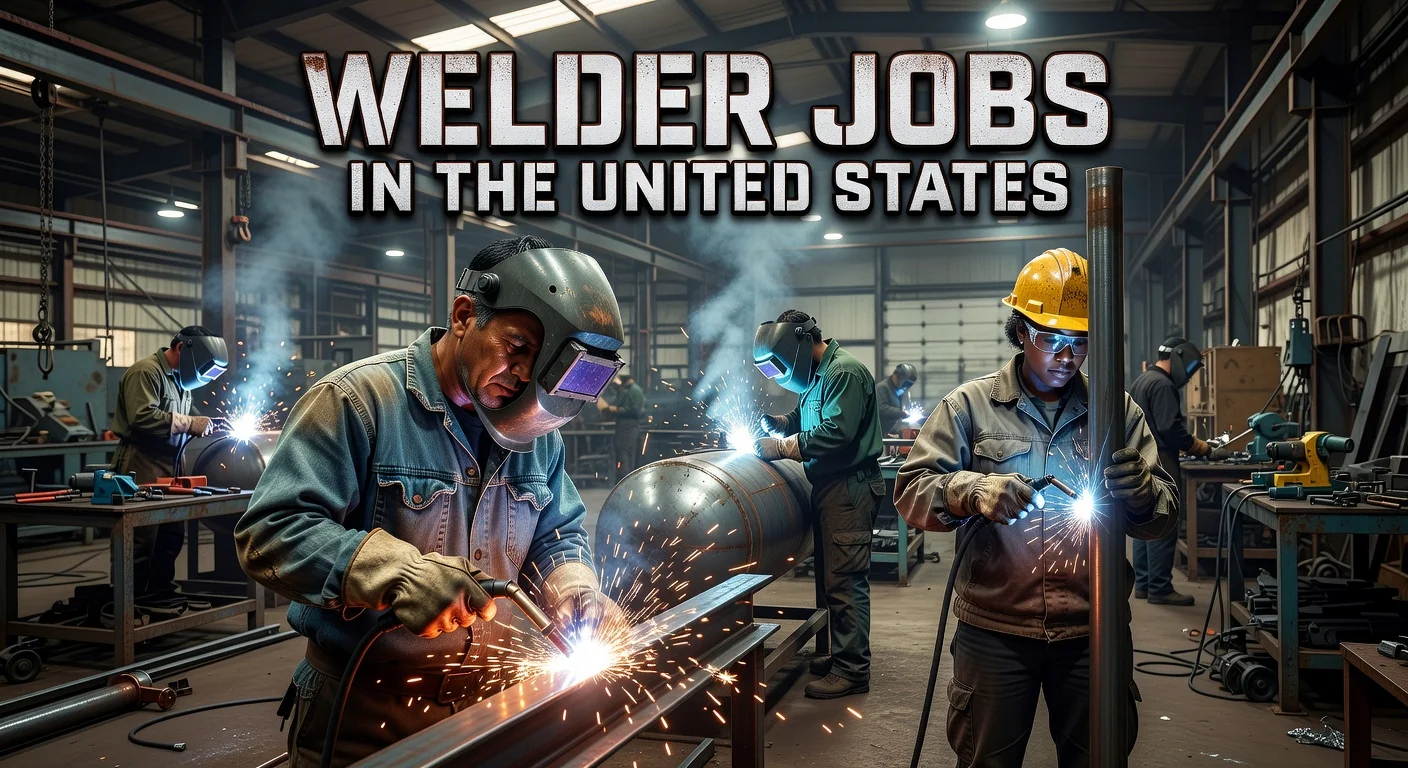
Welder Jobs in the United States: Opportunities and Insights
Welding is a critical trade in the United States, offering a wide range of career opportunities for skilled individuals. From construction and manufacturing to shipbuilding and energy sectors, welder jobs are in high demand across the country. This article explores the landscape of welder jobs in the U.S., including job types, salary expectations, required skills, and how to get started in this rewarding field.
What Are Welder Jobs?
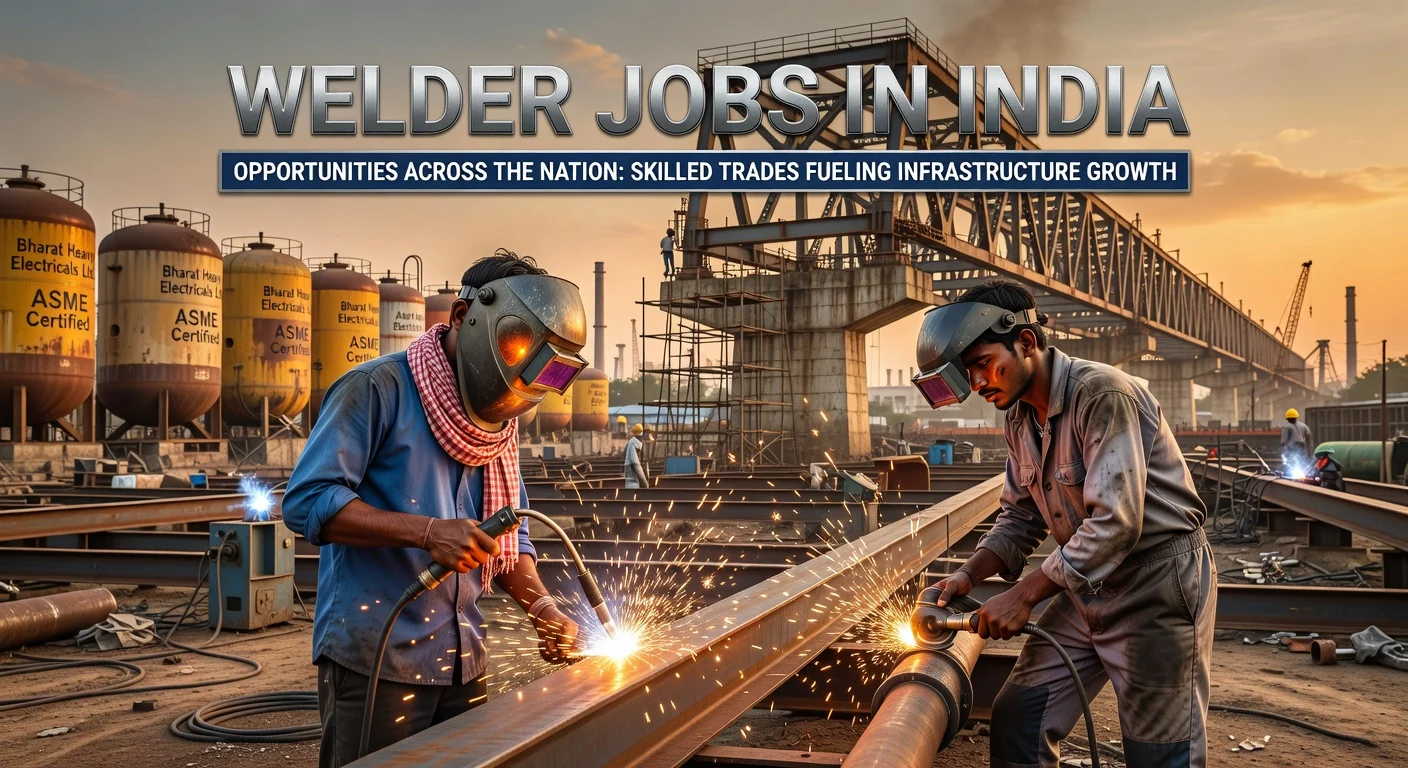
Welder jobs involve joining metal parts together using heat and specialized equipment. Welders work with various materials like steel, aluminum, and other alloys, ensuring structural integrity in everything from buildings to vehicles. They may specialize in techniques such as MIG (Metal Inert Gas), TIG (Tungsten Inert Gas), or arc welding, depending on the industry and project requirements.
Welder roles can be found in diverse settings, including factories, construction sites, shipyards, and even underwater environments for specialized projects. With the U.S. economy relying heavily on infrastructure and manufacturing, welders play a vital role in maintaining and building the nation’s backbone.
Types of Welder Jobs in the United States
The welding field offers a variety of job roles catering to different skill levels and interests. Here are some common types of welder jobs in the U.S.:
- Structural Welders: These professionals work on large-scale projects like bridges, buildings, and other infrastructure, ensuring strong metal frameworks.
- Pipe Welders: Specializing in welding pipes, they are often employed in the oil, gas, and plumbing industries, requiring precision to prevent leaks.
- Manufacturing Welders: Found in factories, they assemble products like machinery, vehicles, and consumer goods using automated or manual welding techniques.
- Underwater Welders: A high-risk, high-reward role, underwater welders repair ships, pipelines, and offshore structures, often earning premium pay.
- Aerospace Welders: These welders work on aircraft and spacecraft, requiring exceptional precision and adherence to strict safety standards.
Salary Expectations for Welders in the U.S.
Welder salaries in the United States vary based on experience, location, and specialization. According to the U.S. Bureau of Labor Statistics (BLS), the median annual wage for welders, cutters, solderers, and brazers was approximately $47,010 as of recent data. Entry-level welders may start around $30,000 per year, while experienced professionals or those in specialized fields like underwater welding can earn upwards of $80,000 annually.
Geographic location also impacts earnings. For instance, welders in states like Alaska, Hawaii, and California often earn higher wages due to the cost of living and demand for skilled labor. Additionally, unionized welders or those working overtime on large projects may see significant boosts in income.
Skills and Qualifications for Welder Jobs
Becoming a welder requires a mix of technical skills, physical endurance, and attention to detail. Here are key qualifications and skills needed:
- Technical Training: Many welders complete vocational programs or apprenticeships to learn welding techniques and safety protocols.
- Certifications: Certifications from organizations like the American Welding Society (AWS) can enhance job prospects and demonstrate expertise.
- Physical Fitness: Welding often involves working in challenging environments, requiring strength, stamina, and dexterity.
- Attention to Detail: Precision is critical to ensure welds are strong and meet safety standards.
- Safety Knowledge: Understanding how to handle hazardous materials and equipment is essential to prevent accidents.
How to Find Welder Jobs in the United States
With the demand for welders on the rise, job seekers have numerous avenues to explore. Online job boards like Indeed, Monster, and LinkedIn frequently list welding opportunities across the country. Additionally, trade unions and local vocational schools often provide job placement services for graduates.
Networking is also key. Attending industry trade shows, joining welding associations, or connecting with professionals on social media can open doors to unadvertised positions. For those willing to relocate, high-demand areas like Texas, California, and Louisiana—home to oil and gas industries—offer abundant opportunities.
Future Outlook for Welder Jobs
The future looks promising for welders in the United States. The BLS projects steady demand for welders through the next decade, driven by infrastructure projects, renewable energy developments, and manufacturing needs. As older welders retire, new opportunities will emerge for younger workers entering the field.
Advancements in technology, such as robotic welding, may change some aspects of the job, but the need for skilled human welders remains strong, especially for complex or custom projects. Those who stay updated with new techniques and certifications will have a competitive edge.
Conclusion
Welder jobs in the United States offer a stable and rewarding career path for those with the right skills and dedication. Whether you’re just starting out or looking to specialize in a niche area, the welding industry provides diverse opportunities to grow. With competitive salaries, strong demand, and the chance to work on impactful projects, now is an excellent time to consider a career in welding.